
Wikimedia Commons
Landslides
Landslides
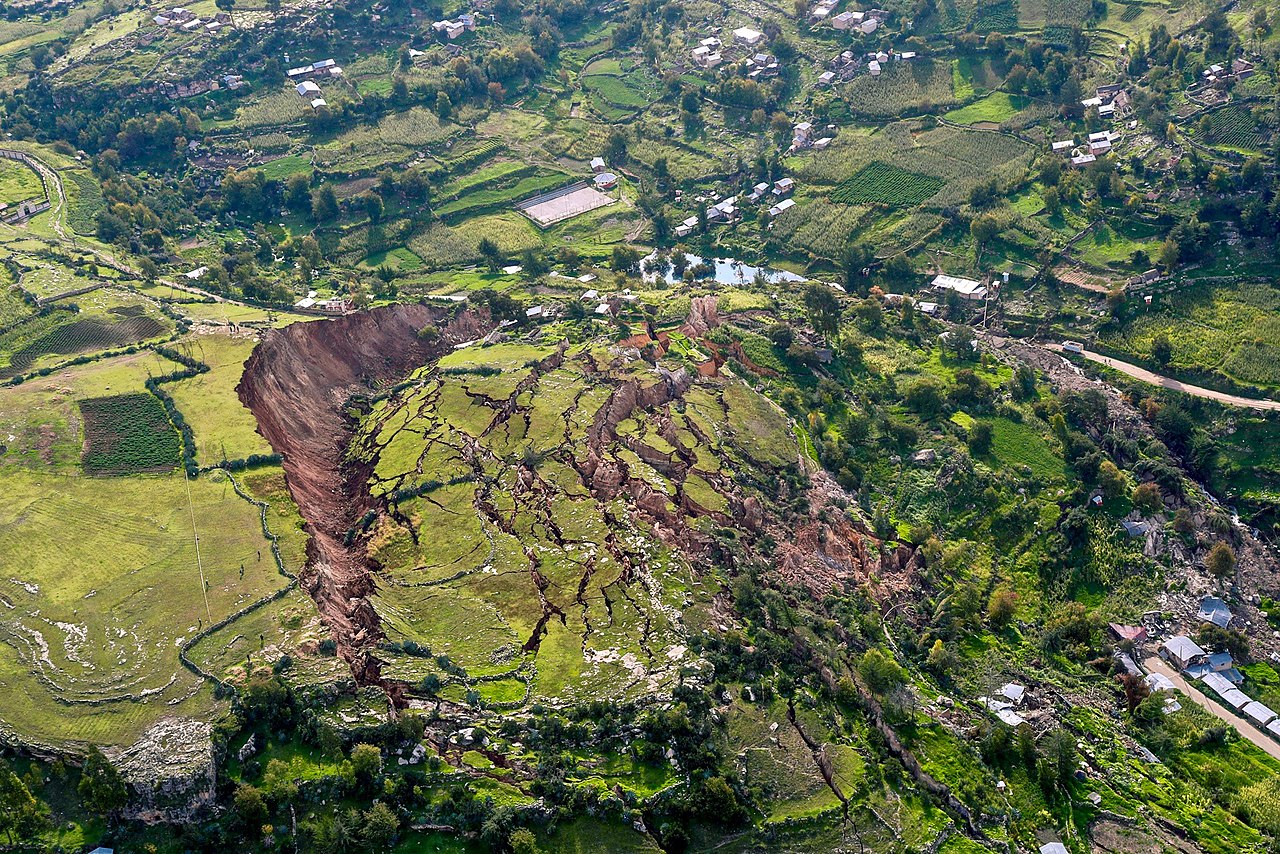
A landslide happens when rock, soil, or mud slides down a hill or mountain. Landslides can be slow creepers or fast-moving avalanches of debris. They are often triggered by heavy rain, earthquakes, or volcanic eruptions. Landslides can destroy homes, block roads, and change the shape of the landscape.
What Causes Landslides
Gravity is always pulling on hillsides. Usually, the strength of the soil and rock holds everything in place. But when heavy rain soaks the ground, it becomes heavy and slippery. This weakens the slope and a landslide can begin. Earthquakes, deforestation, and construction on hillsides can also trigger landslides.
Types of Landslides
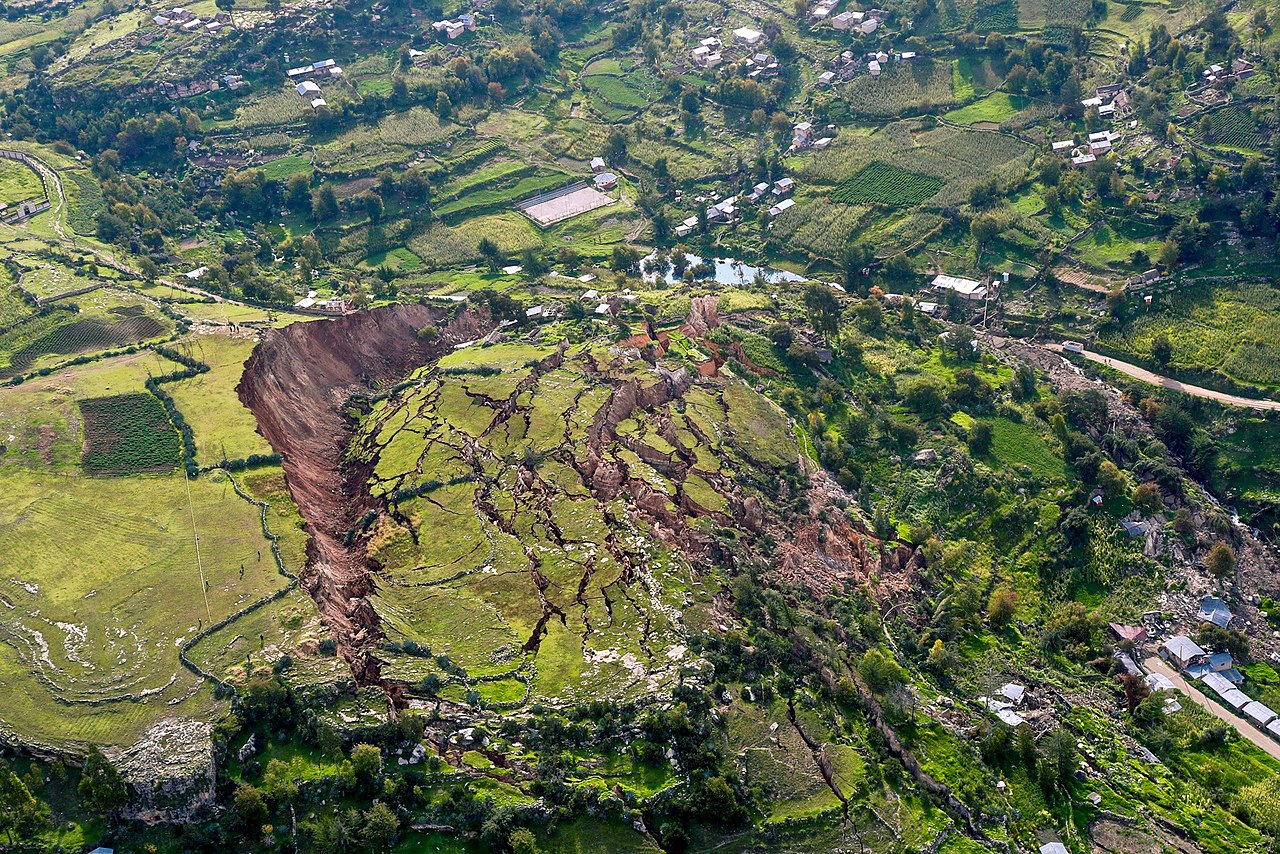
There are several types of landslides. Rockfalls happen when chunks of rock break off a cliff. Mudflows are fast-moving rivers of wet soil and debris. Slumps are when a big block of ground tilts and slides. Debris flows are mixtures of rock, soil, and water that rush down mountains. Each type can be dangerous.
Fun Facts
- The largest landslide in recorded history happened at Mount St. Helens in 1980, moving about 0.7 cubic miles of rock.
- Landslides happen on every continent, even Antarctica.
- Some landslides move so slowly, only inches per year, that you cannot see them happening.
Did You Know?
Landslides can happen underwater too! Submarine landslides occur on the ocean floor and can trigger tsunamis. About 8,000 years ago, a massive underwater landslide off the coast of Norway created a tsunami that flooded parts of Scotland with waves over 60 feet high!

You finished the article! Great job!