
Wikimedia Commons
Minerals
Minerals
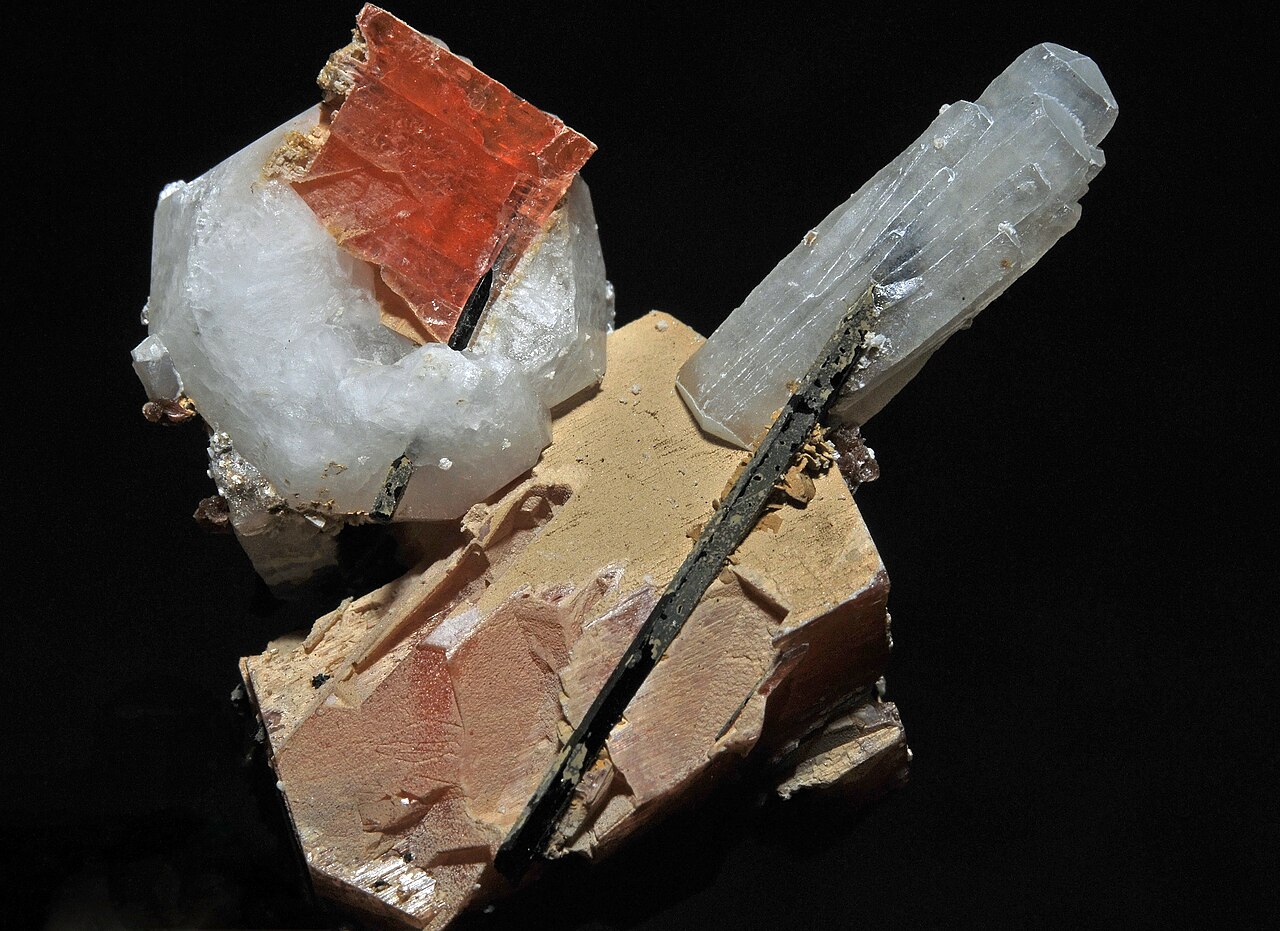
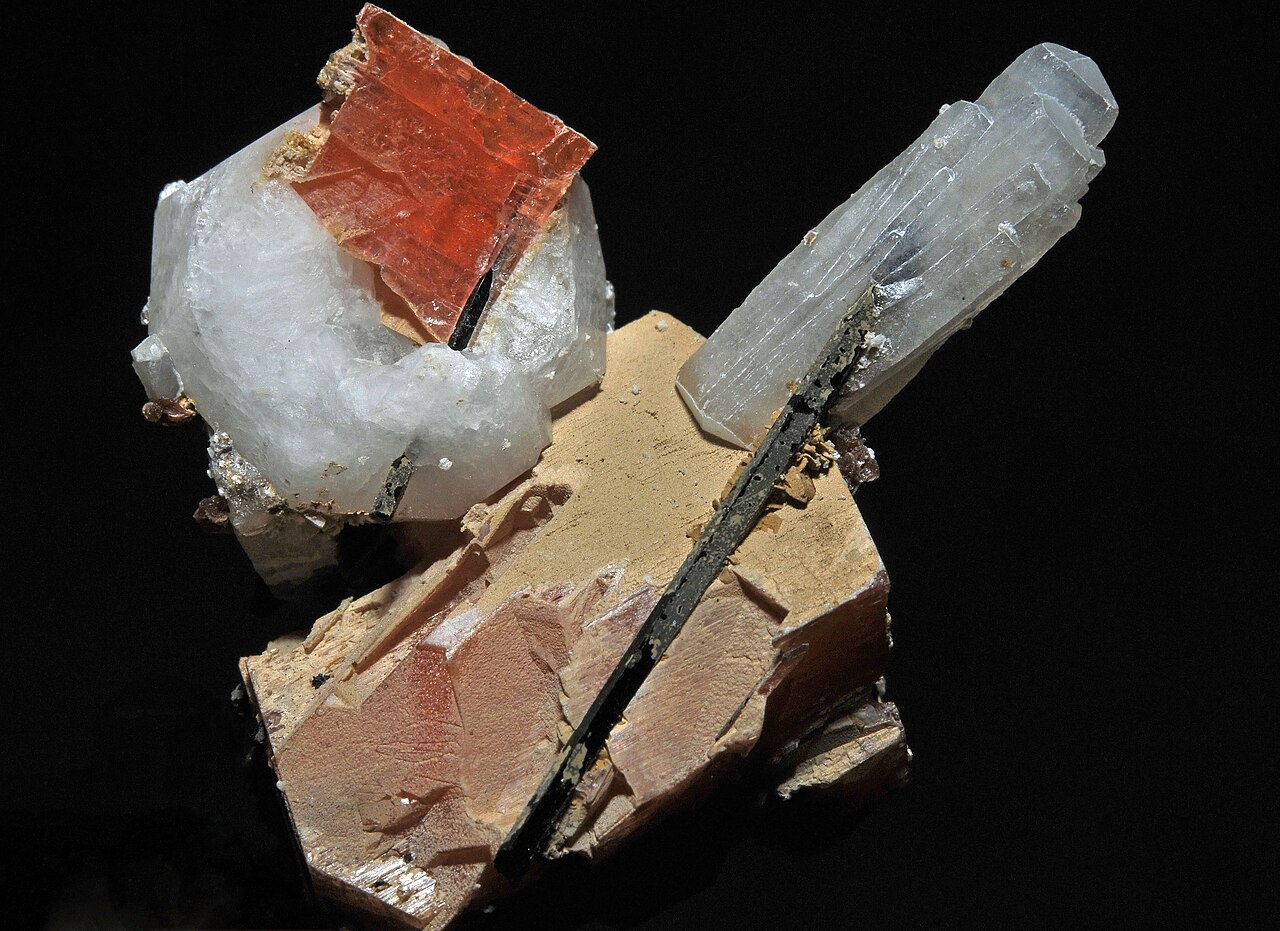
Minerals are natural solid materials that make up rocks and soil. There are over 5,000 known minerals on Earth. Each mineral has a specific chemical makeup and crystal structure. Some minerals are common, like quartz and feldspar. Others are rare and valuable, like diamonds and emeralds.
Properties of Minerals
Scientists identify minerals by their properties. Hardness tells how easily a mineral can be scratched. Color and luster describe how it looks. Streak is the color of the powder when a mineral is rubbed on a plate. Cleavage is how a mineral breaks. The Mohs scale ranks minerals from 1 to 10 by hardness.
Minerals in Your Life
Minerals are used in many everyday things. The graphite in pencils is a mineral. The salt you eat is a mineral called halite. Quartz is used in watches and electronics. Talc is in baby powder. Fluorite is in toothpaste. Even your bones and teeth contain minerals like calcium and phosphorus.
Fun Facts
- Diamond is the hardest mineral, rated 10 on the Mohs scale. Talc is the softest, rated 1.
- Quartz is the most common mineral on Earth's surface.
- Some minerals glow under ultraviolet light. This is called fluorescence.
Did You Know?
Your smartphone contains about 30 different minerals! Quartz is in the glass screen. Copper is in the wires. Lithium is in the battery. Gold and silver are in the circuits. Rare earth minerals make the screen colors bright. You hold a piece of Earth's geology in your hand!

You finished the article! Great job!