
Wikimedia Commons
Peer Review
Peer Review
When scientists make a discovery, they do not just announce it to the world. First, other scientists check their work. This process is called peer review. Other experts read the research, look for mistakes, and decide if the conclusions make sense. Peer review helps make sure that scientific information is accurate and trustworthy.
How Peer Review Works
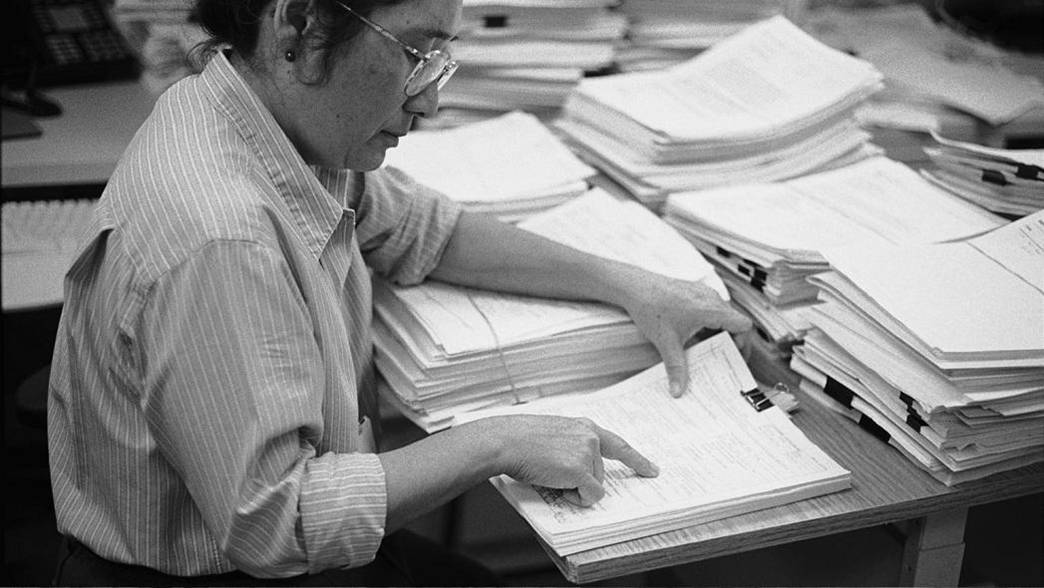
When scientists finish a study, they write a paper describing what they did and what they found. They send it to a scientific journal. The journal sends the paper to other experts in the same field. These reviewers read the paper carefully and look for errors or problems. They can accept the paper, suggest changes, or reject it.
Why Peer Review Matters
Peer review is like a quality check for science. It catches mistakes before they are published. It makes sure experiments were done properly. It checks that the conclusions match the data. Without peer review, it would be much harder to know which scientific claims to trust. It is not perfect, but it is the best system we have.
Fun Facts
- Peer review has been used in some form for over 300 years.
- Most scientific papers are reviewed by two to four experts before being published.
- Even Albert Einstein's papers went through peer review.
Did You Know?
Peer review once caught a famous mistake. In 1989, two scientists claimed they had achieved cold fusion, a way to produce unlimited energy at room temperature. When other scientists tried to repeat the experiment, they could not get the same results. Peer review and replication showed the claim was wrong, saving the world from false hope!

You finished the article! Great job!