
Wikimedia Commons
Photosynthesis
Photosynthesis
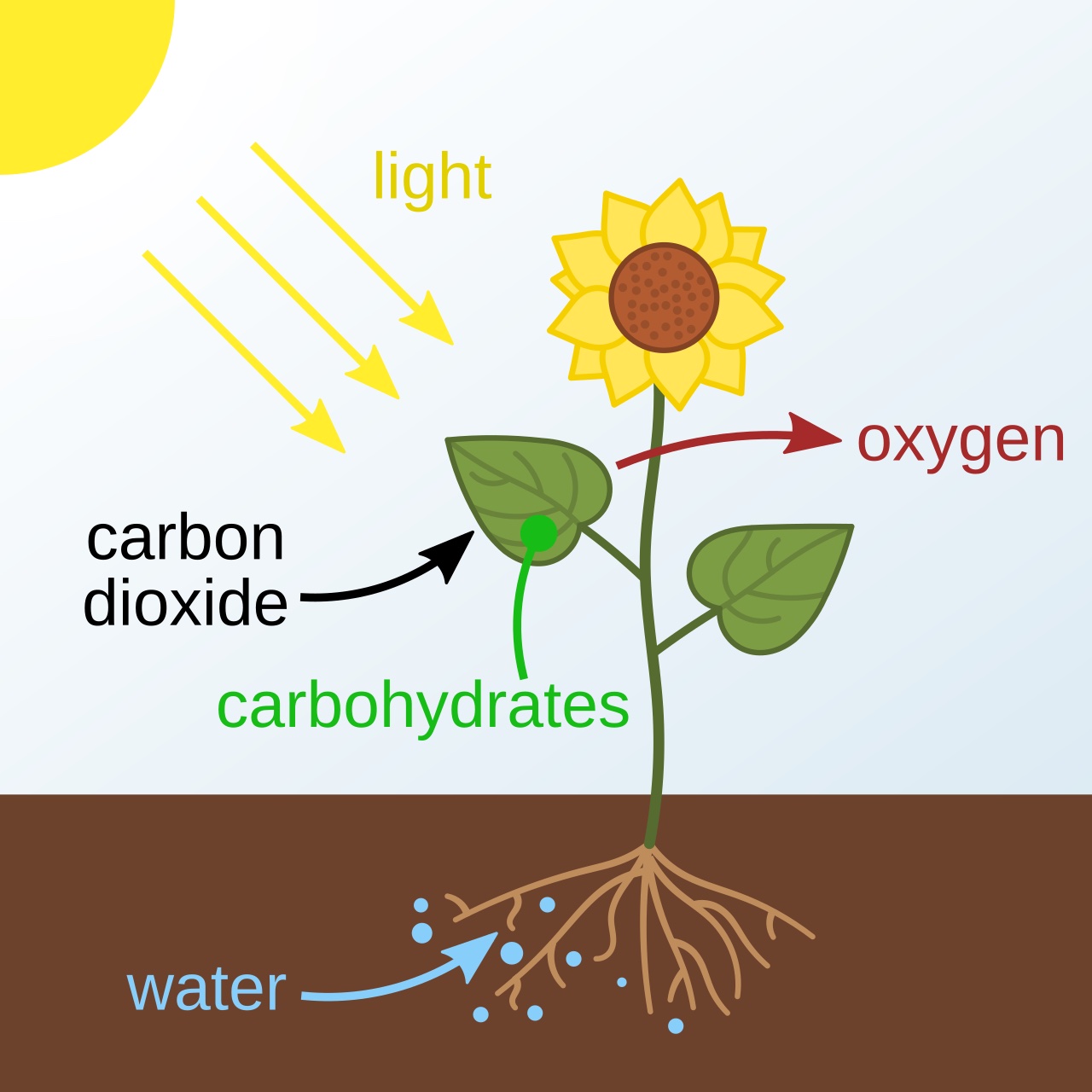
Photosynthesis is a word for how plants make food. Plants cannot eat like we do. Instead, they use sunlight, water, and air to make sugar. This sugar gives them energy to grow.
How Plants Make Food
Plants take in water through their roots. They take in a gas called carbon dioxide from the air through tiny holes in their leaves. Sunlight hits the green part of the leaves and gives the plant energy. The plant mixes everything together to make sugar and oxygen.
Why It Matters
Photosynthesis is very important for all living things. Plants make the oxygen that we need to breathe. They also make food for animals and people. Without photosynthesis, most life on Earth could not exist.
Fun Facts
- The green color in leaves comes from a chemical called chlorophyll.
- Trees can make tons of oxygen every year.
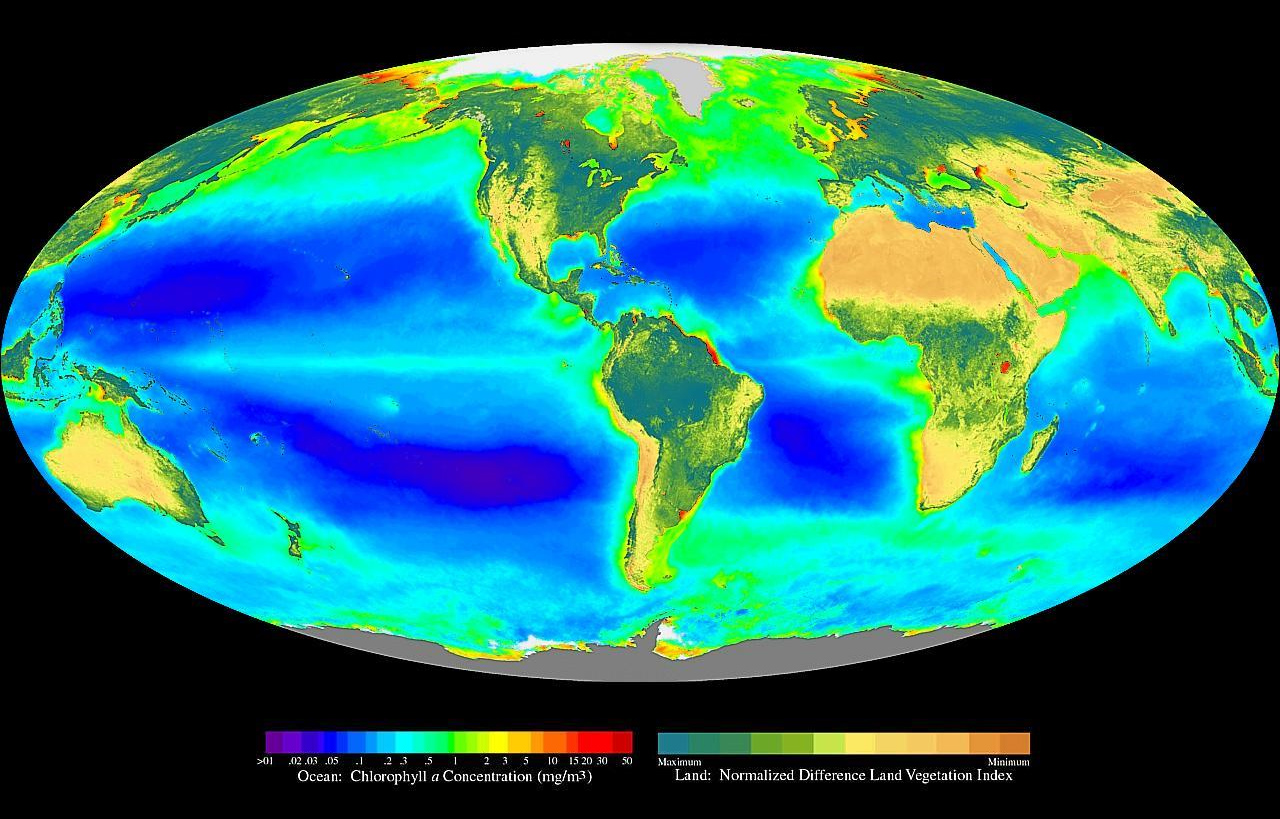
- Some ocean plants called algae do photosynthesis too.
Did You Know?
Most of the oxygen we breathe comes from tiny plants in the ocean, not from trees on land.

You finished the article! Great job!