
Wikimedia Commons
Radar
Radar
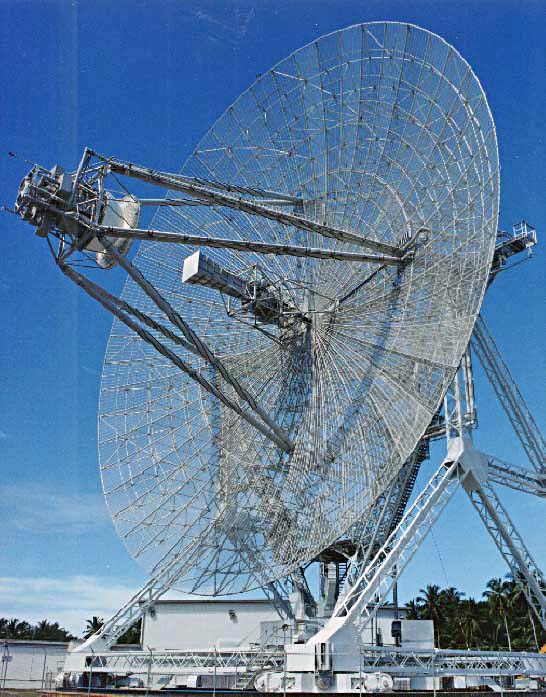
Radar is a technology that uses radio waves to find and track objects. It sends out radio waves that bounce off objects and come back. By measuring how long the waves take to return, radar can tell how far away something is. Radar is used to track airplanes, predict weather, and catch speeding cars.
How Radar Works
A radar system sends out a pulse of radio waves. When the waves hit an object like an airplane, they bounce back. The radar receiver picks up the reflected waves. By measuring the time between sending and receiving the signal, the system calculates how far away the object is. It can also tell the direction and speed.
Uses of Radar
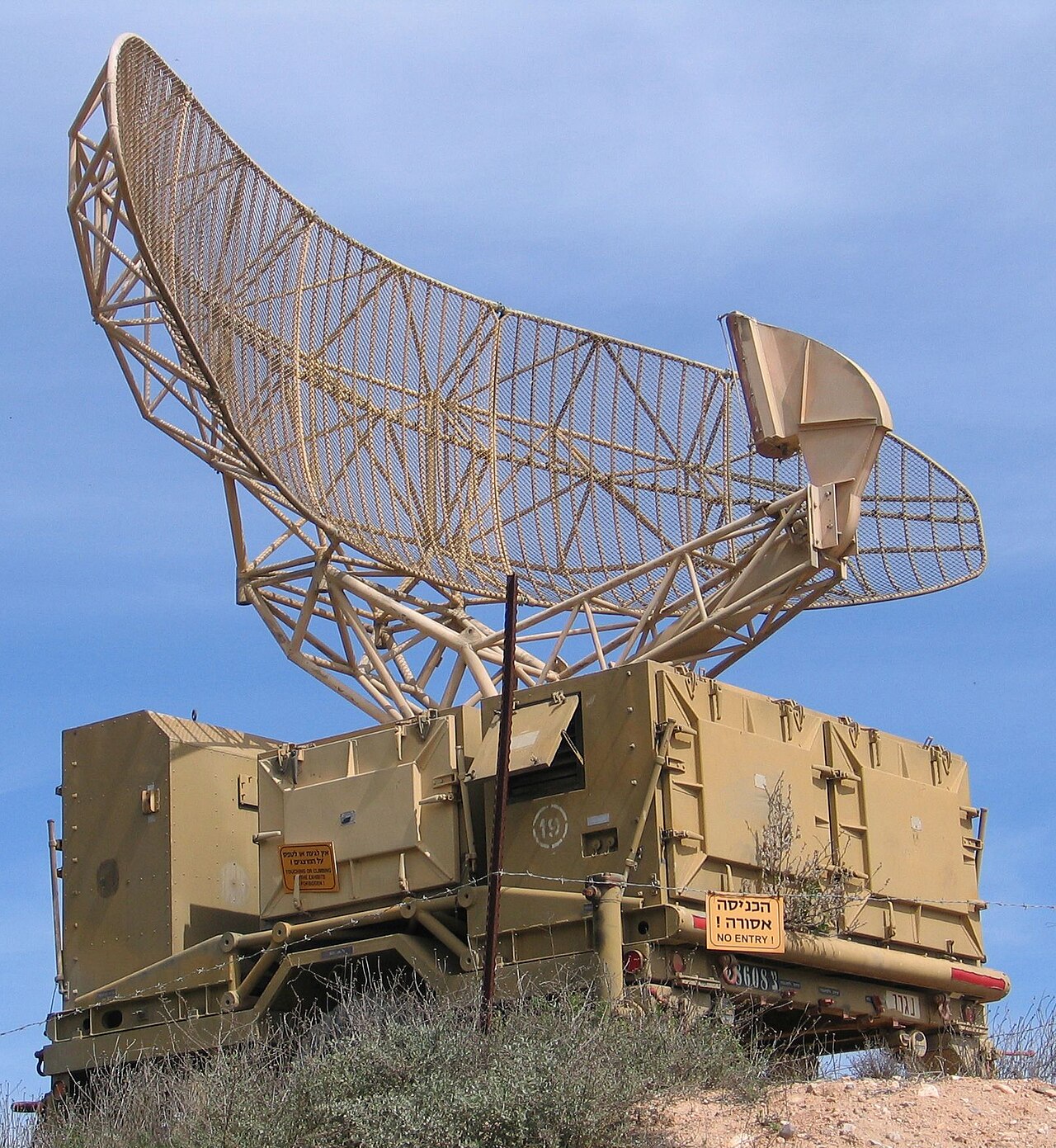
Air traffic controllers use radar to track every airplane in the sky. Weather radar detects rain, snow, and storms so forecasters can warn people. Police use radar guns to check car speeds. Ships use radar to navigate safely and avoid other vessels. Military radar can detect missiles and aircraft from far away.
Fun Facts
- Radar stands for Radio Detection And Ranging.
- Bats use a natural form of radar called echolocation, but with sound waves instead of radio waves.
- Weather radar can detect a flock of birds, a swarm of insects, or even a tornado.
Did You Know?
Radar was a secret weapon during World War II. Britain's radar stations could detect German aircraft before they arrived. To keep radar a secret, the British government spread a story that their pilots could see so well in the dark because they ate lots of carrots. This is where the myth that carrots help you see in the dark comes from!

You finished the article! Great job!