
Wikimedia Commons
Rain
Rain
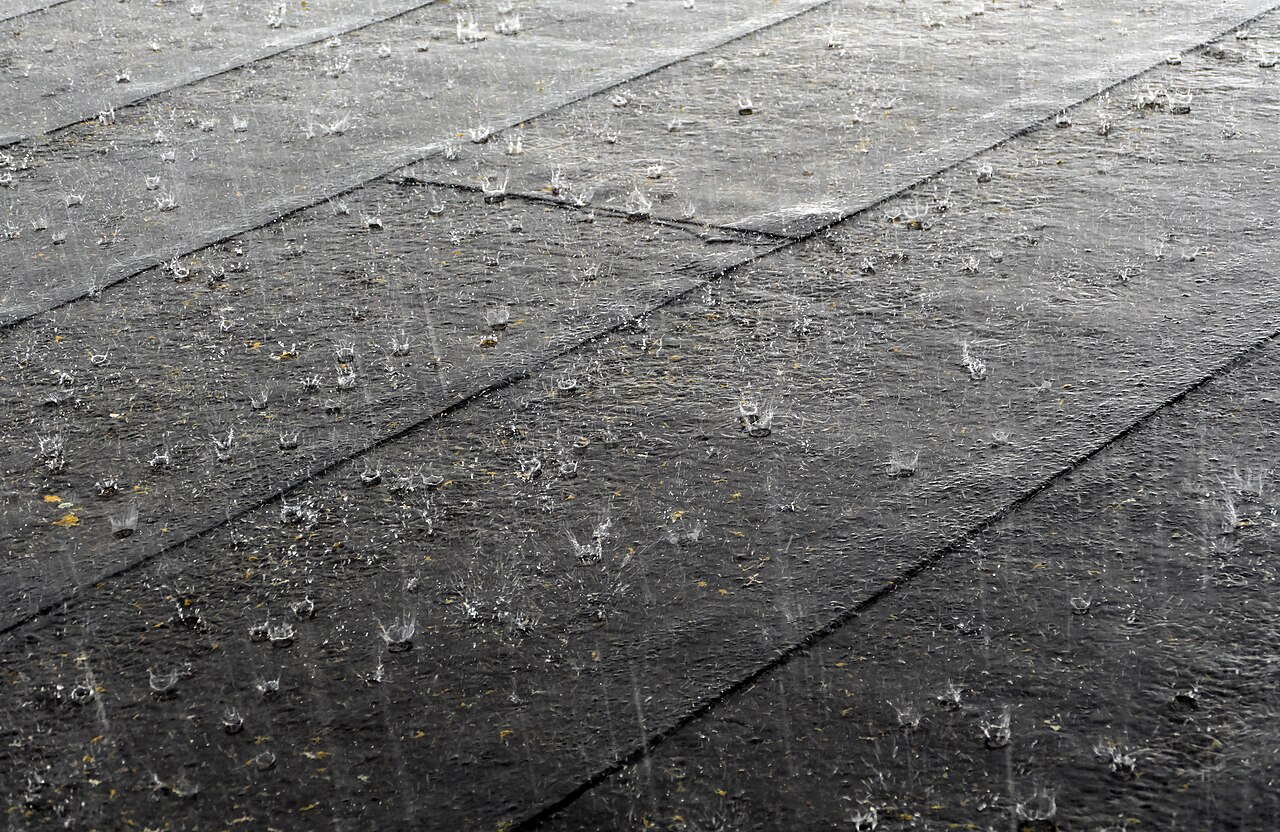
Rain is water falling from the sky. It happens when tiny water droplets in clouds bump into each other and join together. When the drops get big and heavy enough, they fall to the ground as rain. Rain is an important part of the water cycle and is essential for all life on Earth.
How Rain Forms
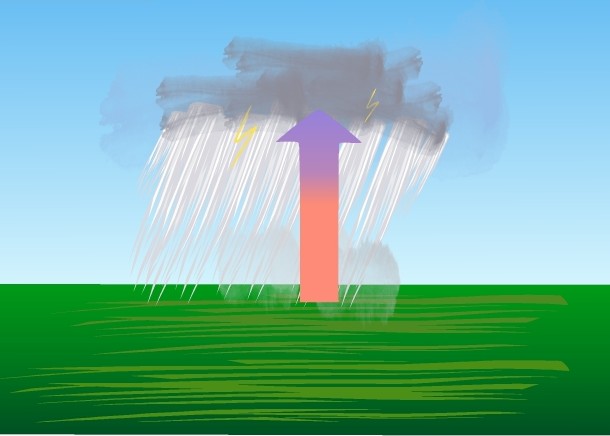
Inside a cloud, tiny water droplets or ice crystals bump into each other and stick together. They grow bigger and bigger until they are too heavy for the air to hold up. Then they fall as rain. In cold clouds, ice crystals grow and melt into raindrops as they fall through warmer air below.
Why Rain Matters
Rain fills rivers, lakes, and underground water supplies. Plants need rain to grow. Farmers depend on rain for their crops. Animals drink rainwater. Without rain, the land would dry up and become a desert. Too much rain, however, can cause floods.
Fun Facts
- Mawsynram, India, is the wettest place on Earth, getting about 467 inches of rain per year.
- Raindrops are not shaped like teardrops. Small ones are round, and bigger ones are shaped like hamburger buns.
- It takes about a million tiny cloud droplets to make one raindrop.
Did You Know?
The Atacama Desert in Chile is the driest place on Earth. Some parts have not had rain in over 500 years! The soil there is so dry that scientists use it to test equipment designed for exploring Mars. Yet a few miles away, the ocean is full of water.

You finished the article! Great job!