
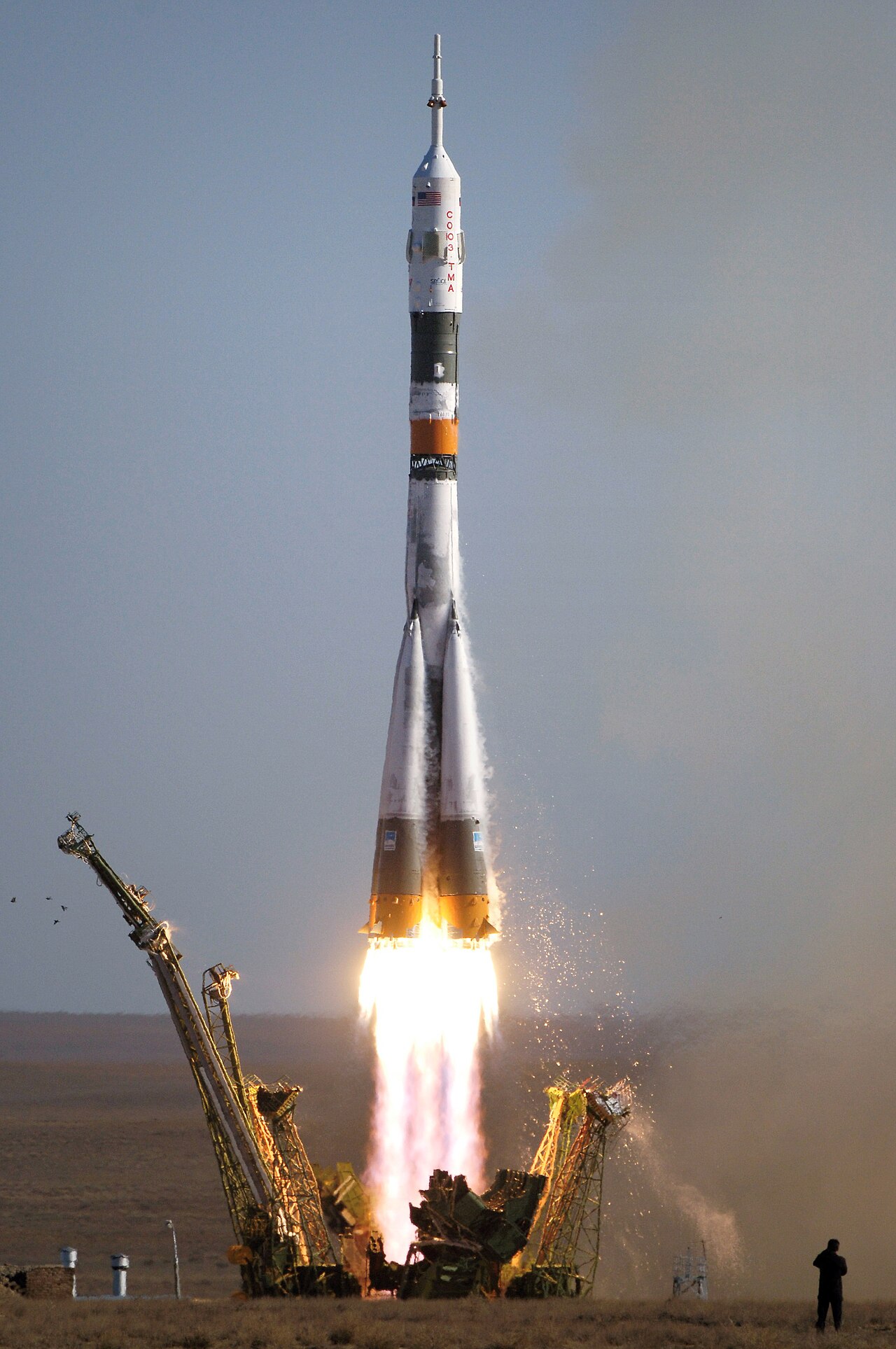
Wikimedia Commons
Rockets
Rockets
Rockets are the only vehicles that can take us to space. They work by burning fuel and shooting hot gas out of the back at tremendous speed. This pushes the rocket forward, even in the emptiness of space where there is no air. Rockets have taken humans to the Moon and sent robots to every planet in our solar system.
How Rockets Work
Rockets follow Newton's third law of motion: for every action, there is an equal and opposite reaction. When hot gas shoots out the bottom of the rocket, the rocket is pushed in the opposite direction, upward. Rockets must carry their own fuel and oxygen because there is no air in space to burn fuel with.
Rockets Then and Now
The first liquid-fueled rocket was launched in 1926 by Robert Goddard. It flew for only 2.5 seconds. Today's rockets are enormous and incredibly powerful. The Saturn V rocket that took astronauts to the Moon was 363 feet tall. Modern companies are now building reusable rockets that can land and be flown again.
Fun Facts
- A rocket must reach a speed of about 17,500 miles per hour to stay in orbit around Earth.
- The Saturn V moon rocket was louder than a million car engines running at the same time.
- SpaceX's Falcon 9 rocket can land itself back on a pad after sending a payload to space.
Did You Know?
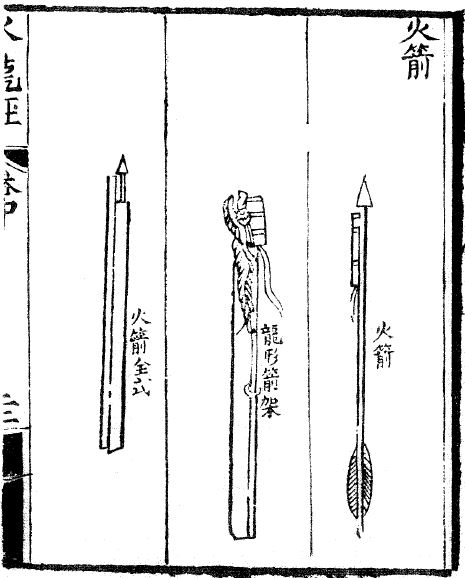
The Chinese invented the first rockets around 1,000 years ago. They filled bamboo tubes with gunpowder and attached them to arrows. These early rockets were used as weapons in battle. From those simple bamboo tubes came the mighty rockets that now carry humans to space!

You finished the article! Great job!