
Wikimedia Commons
Satellites
Satellites
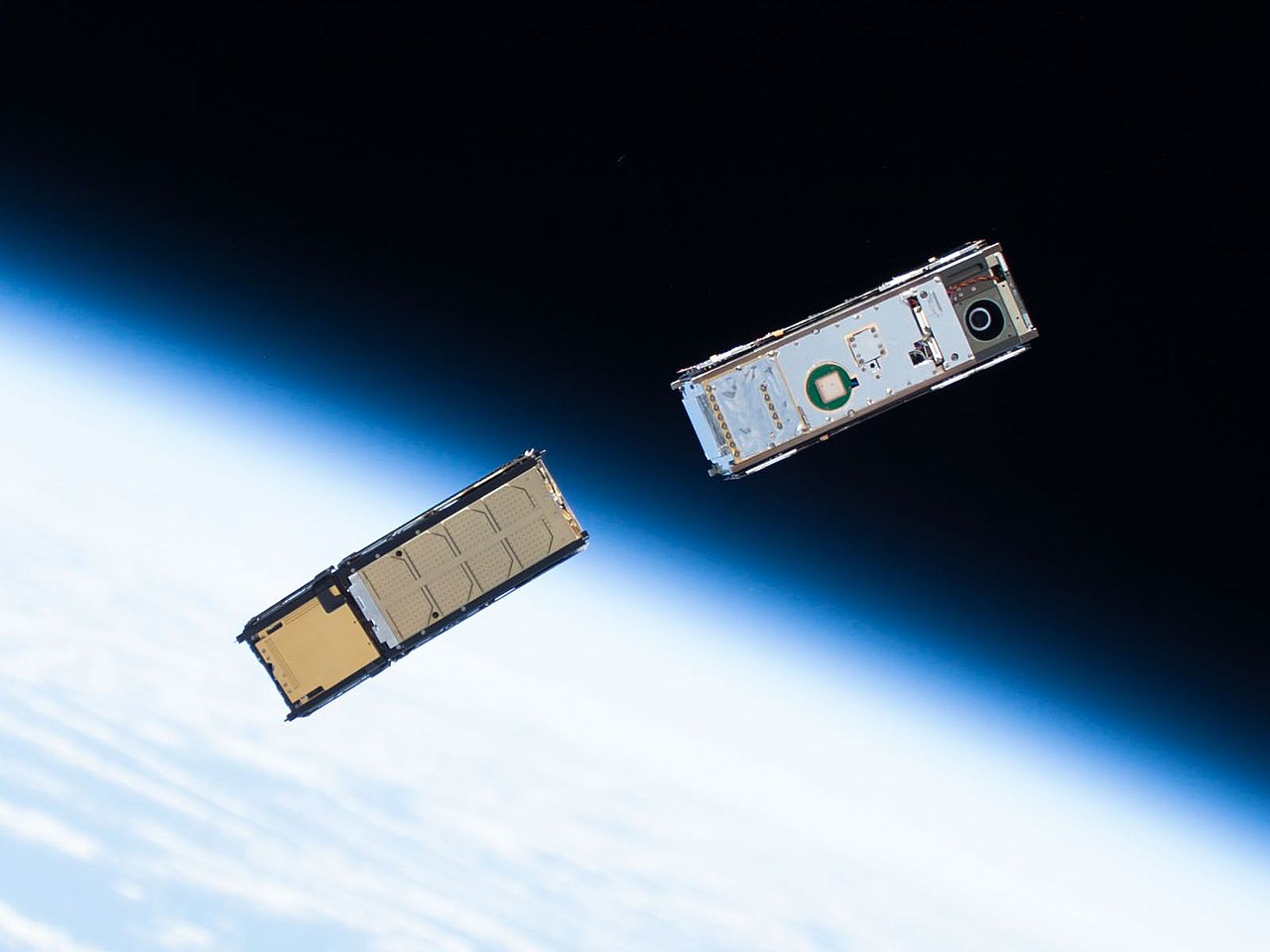
A satellite is an object that orbits, or goes around, another object in space. The Moon is a natural satellite of Earth. But there are also thousands of human-made satellites orbiting our planet. These satellites help us watch the weather, communicate around the world, navigate with GPS, and study the universe.
How Satellites Work
Satellites are launched into space by rockets. Once in orbit, they circle Earth at high speed. Some orbit close to Earth and move quickly. Others orbit far away and seem to stay in one spot above the ground. Satellites use solar panels for power and radio signals to send and receive information.
What Satellites Do
Communication satellites relay TV signals, phone calls, and internet data around the world. Weather satellites take pictures of clouds and storms to help forecast the weather. GPS satellites tell your phone exactly where you are. Science satellites study Earth's climate, map the oceans, and even look for distant galaxies.
Fun Facts
- There are over 10,000 active satellites orbiting Earth right now.
- The International Space Station is the largest satellite ever built. It is as big as a football field.
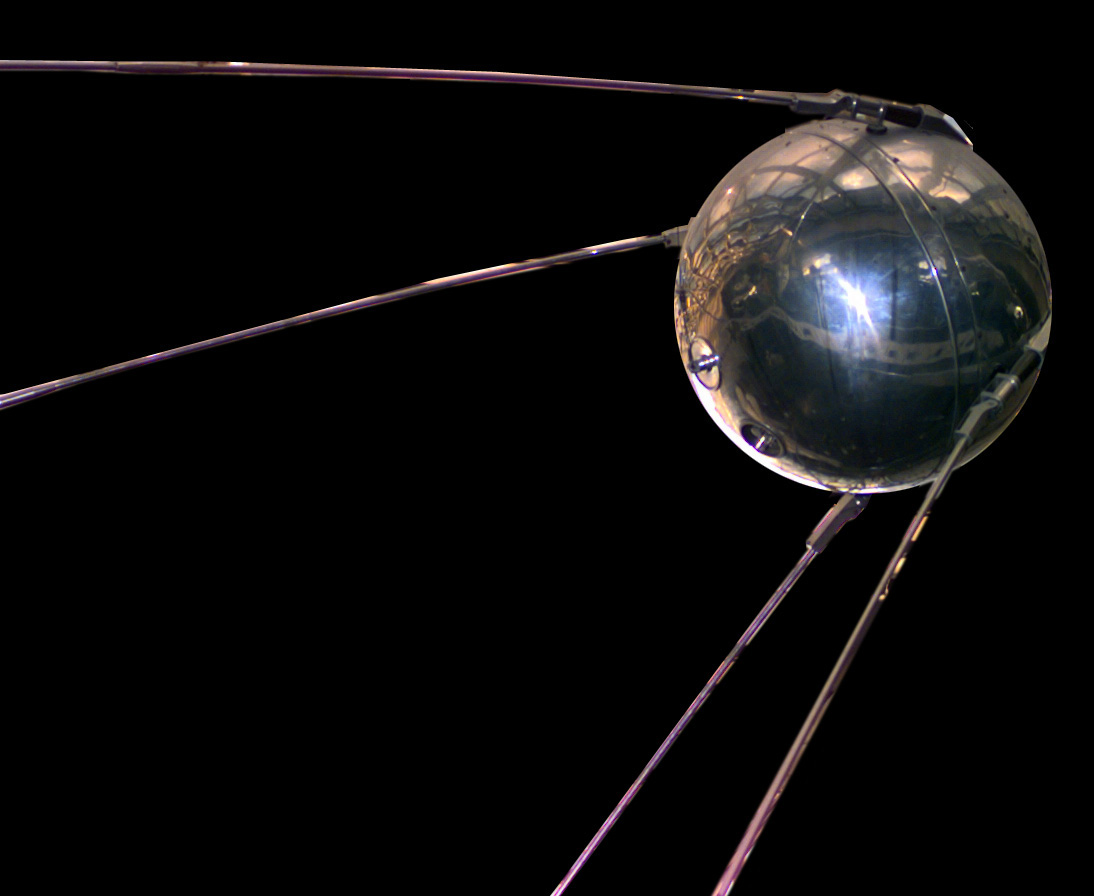
- The first satellite ever launched was Sputnik, sent into space by the Soviet Union in 1957.
Did You Know?
Space junk is a growing problem! There are millions of pieces of old satellites, rocket parts, and tiny debris orbiting Earth at 17,000 miles per hour. Even a tiny piece of paint traveling that fast can damage a satellite or spacecraft. Scientists are working on ways to clean up space junk.

You finished the article! Great job!