
Wikimedia Commons
Shadows
Shadows
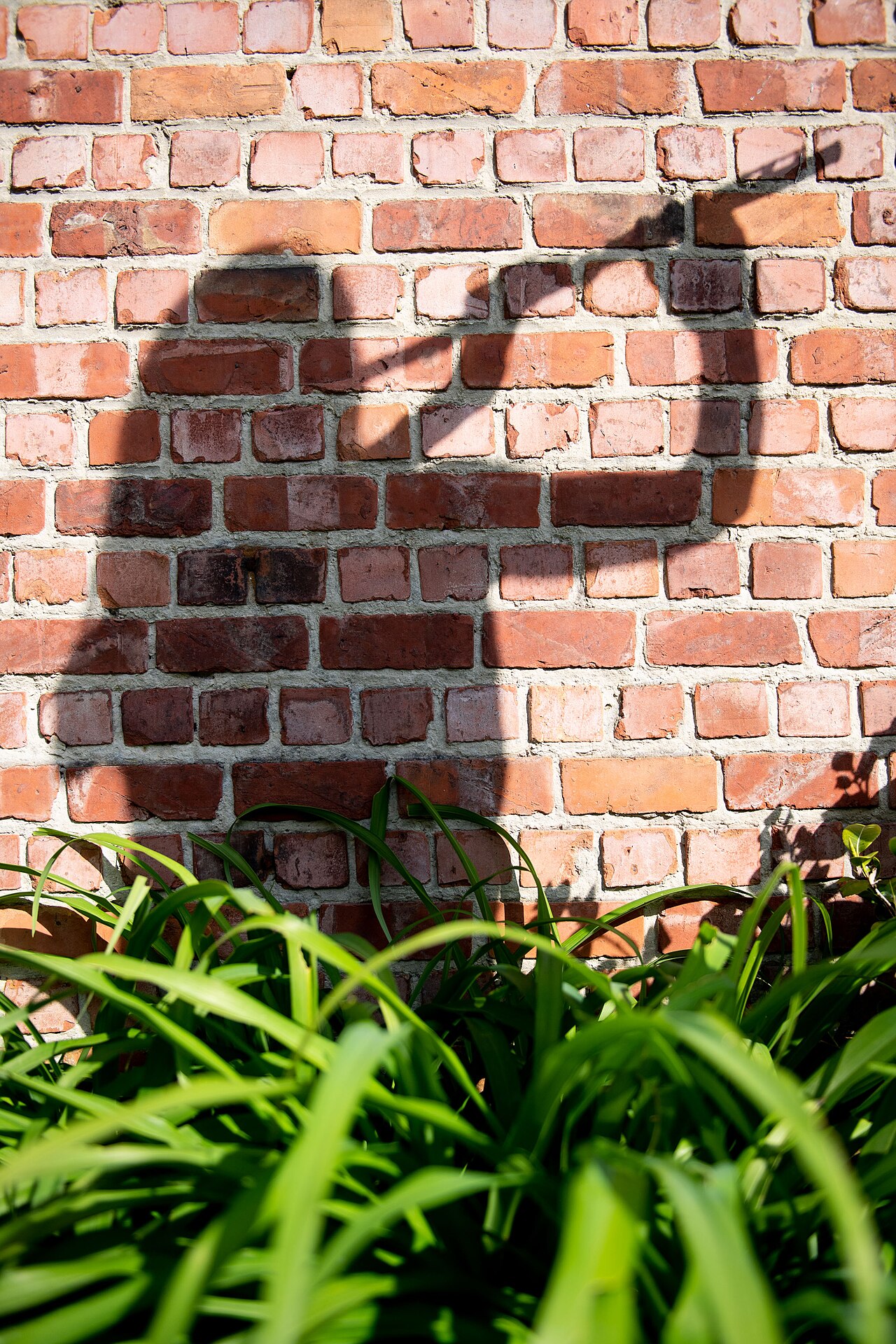
A shadow is the dark area you see when something blocks light. When you stand in the sun, your body stops the light from hitting the ground behind you. That makes a shadow in your shape. Shadows can be long or short depending on where the light is.
How Shadows Form
Light travels in straight lines. When an object gets in the way, the light cannot pass through. The space behind the object stays dark, making a shadow. Clear things like glass let light pass through, so they barely make shadows. Solid things like people and trees make strong shadows.
Changing Shadows
Shadows change during the day. In the morning and evening, the sun is low in the sky, so shadows are long. At noon, the sun is high up, so shadows are short. Shadows also change size when a light source gets closer or farther away. You can use shadows to tell what time of day it is.
Fun Facts
- A sundial is an old kind of clock that uses shadows to tell time.
- The shadow of the moon on Earth causes a solar eclipse.
- Groundhog Day is based on whether a groundhog sees its shadow.
Did You Know?
Your shadow is shortest around noon and gets longer as the sun moves toward the horizon.

You finished the article! Great job!