
Wikimedia Commons
Sinkholes
Sinkholes
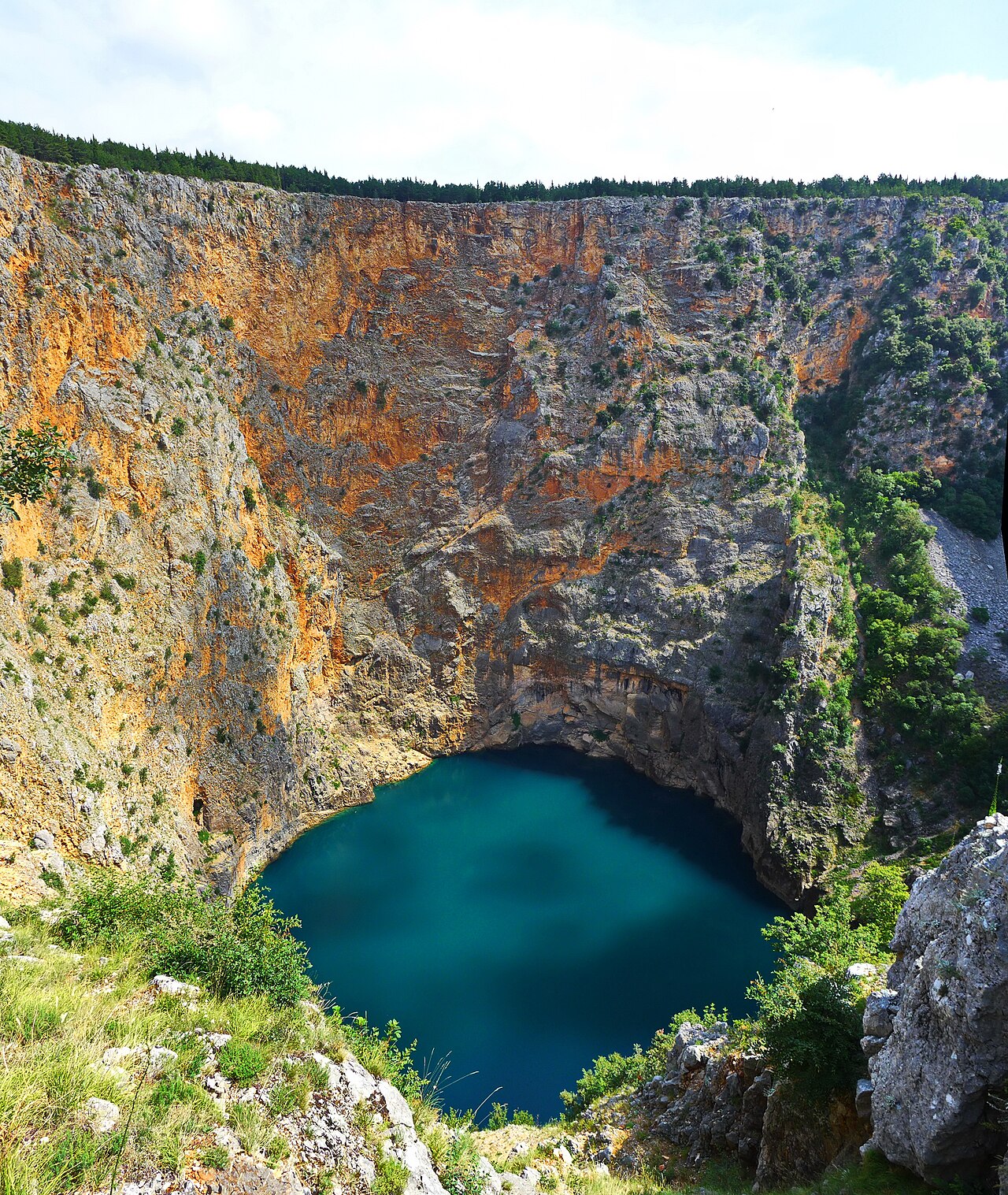
Imagine the ground suddenly opening up beneath you! That is what a sinkhole is. Sinkholes form when underground rock, usually limestone, dissolves in water over time. This creates empty spaces underground. When the roof of the space gets too weak, the ground above collapses. Sinkholes can be small or as big as a football field.
How Sinkholes Form
Water seeping underground slowly dissolves certain types of rock like limestone. Over hundreds or thousands of years, caves and tunnels form underground. The ground above these spaces may look perfectly normal. But when the underground space gets too big, the surface suddenly collapses into it, creating a sinkhole.
Where Sinkholes Happen
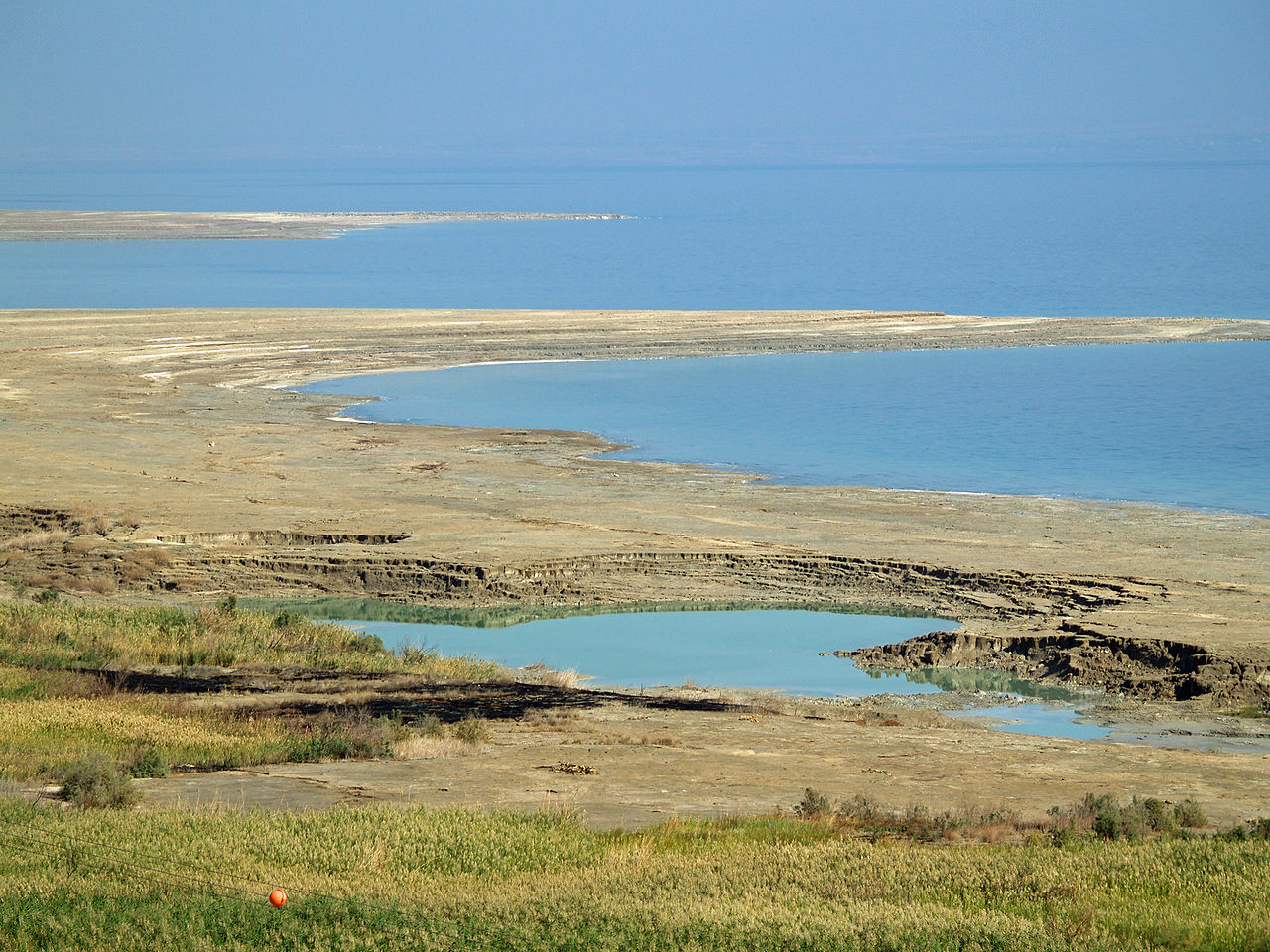
Sinkholes are most common in areas with limestone bedrock. Florida, Texas, and Kentucky have many sinkholes. Florida alone has thousands because the state sits on a thick layer of limestone. Heavy rain, droughts, and broken water pipes can all trigger sinkholes. Building on top of limestone areas increases the risk.
Fun Facts
- The deepest known sinkhole is in China and is about 2,172 feet deep.
- Florida has more sinkholes than any other state because it sits on limestone.
- Some sinkholes fill with water and become beautiful, deep pools called cenotes.
Did You Know?
In 2010, a massive sinkhole opened up in Guatemala City that was about 60 feet wide and 300 feet deep. It swallowed a three-story building. The sinkhole was likely caused by a combination of tropical storm rains and leaking underground pipes that dissolved the volcanic rock beneath the city!

You finished the article! Great job!