
Wikimedia Commons
Solar Panels
Solar Panels
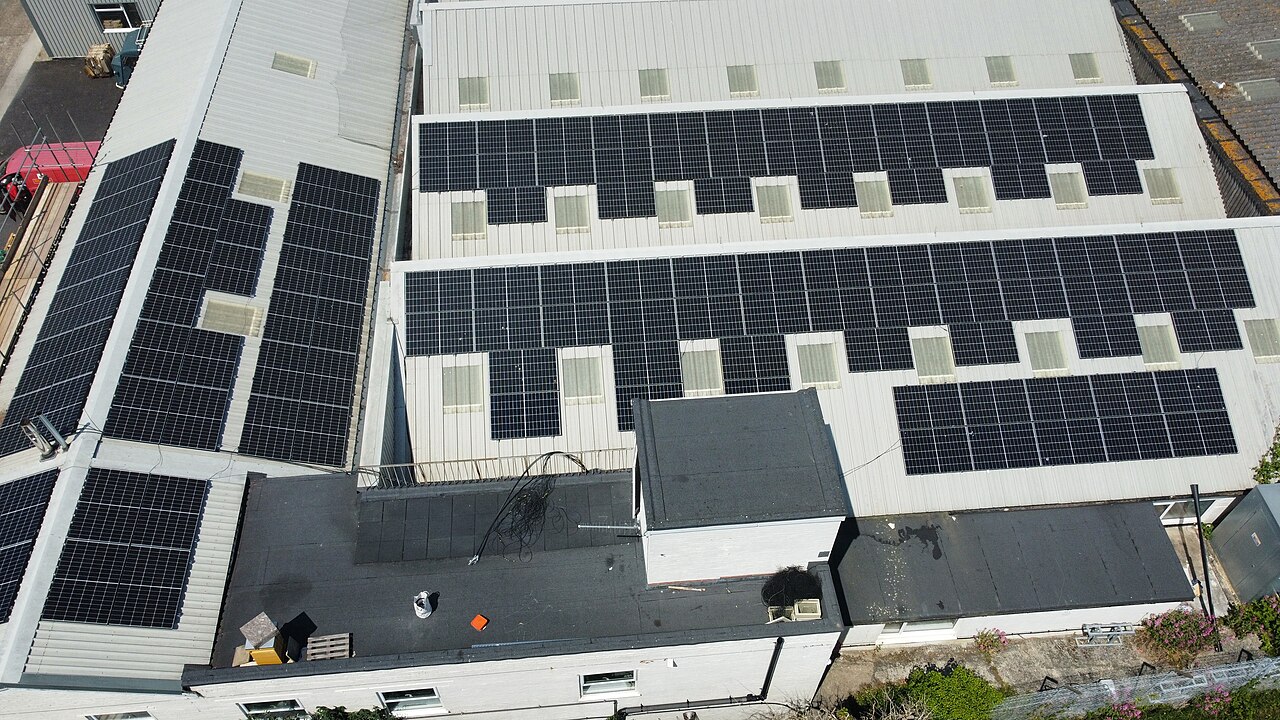
Solar panels turn sunlight into electricity. They are made of special materials that create an electric current when light hits them. Solar panels are on rooftops, in solar farms, and even on spacecraft. The Sun provides more energy in one hour than the whole world uses in a year. Solar panels help us capture that free energy.
How Solar Panels Work
Solar panels are made of cells that contain a material called silicon. When sunlight hits the silicon, it knocks electrons loose. These moving electrons create an electric current. A single solar cell makes only a little electricity, so many cells are connected together in a panel. Many panels together can power an entire house.
Solar Energy and the Future
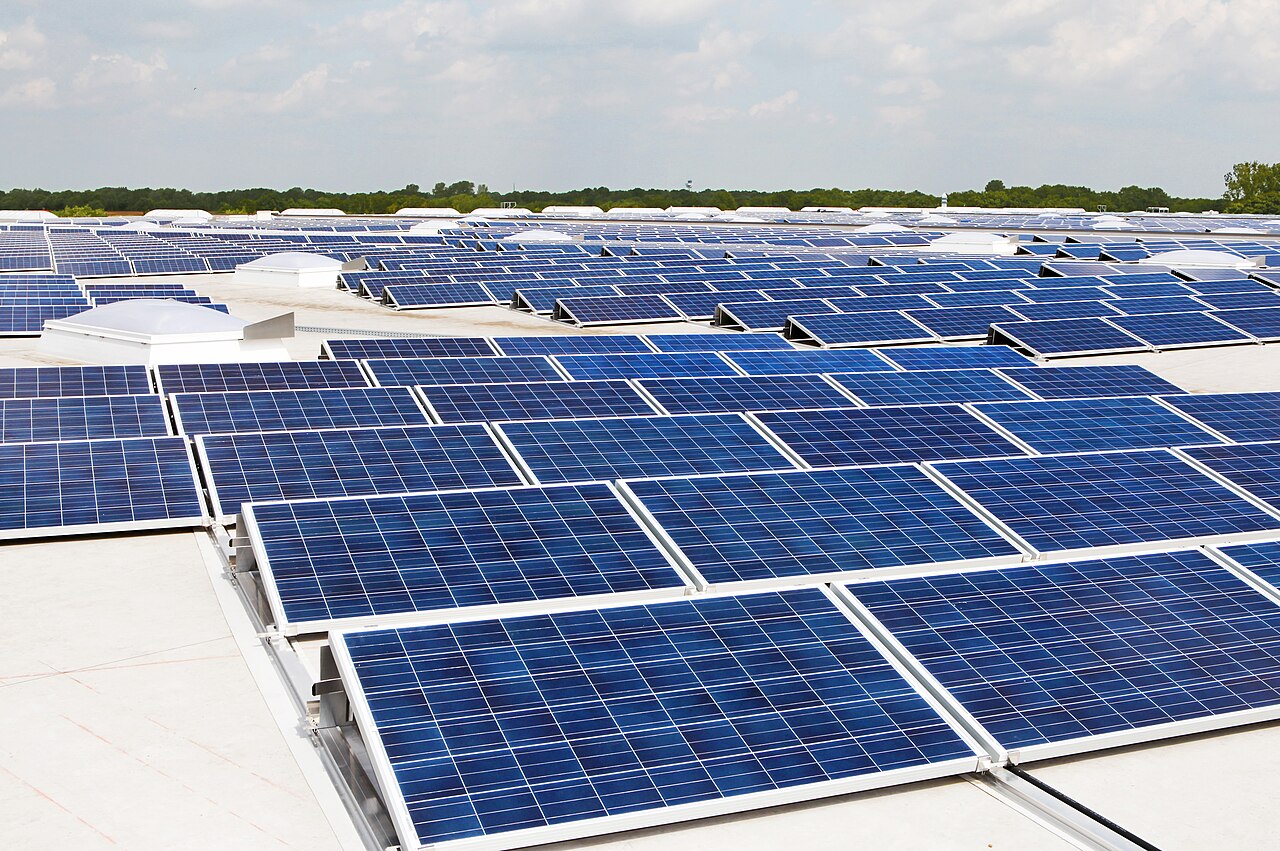
Solar energy is getting cheaper and more popular every year. Solar farms with thousands of panels can power whole cities. Solar panels produce clean energy without pollution or greenhouse gases. Some countries aim to get most of their electricity from solar power in the future.
Fun Facts
- The International Space Station is powered by huge solar panels that stretch over an acre.
- Solar panels can still produce electricity on cloudy days, just less than on sunny days.
- The cost of solar panels has dropped by about 99 percent since 1977.
Did You Know?
There are solar-powered planes! Solar Impulse 2 flew around the entire world in 2016 using only solar power. It had over 17,000 solar cells on its wings. The flight took over a year because the plane flew slowly and had to wait for good weather, but it proved solar flight is possible!

You finished the article! Great job!