
Wikimedia Commons
Sonar
Sonar
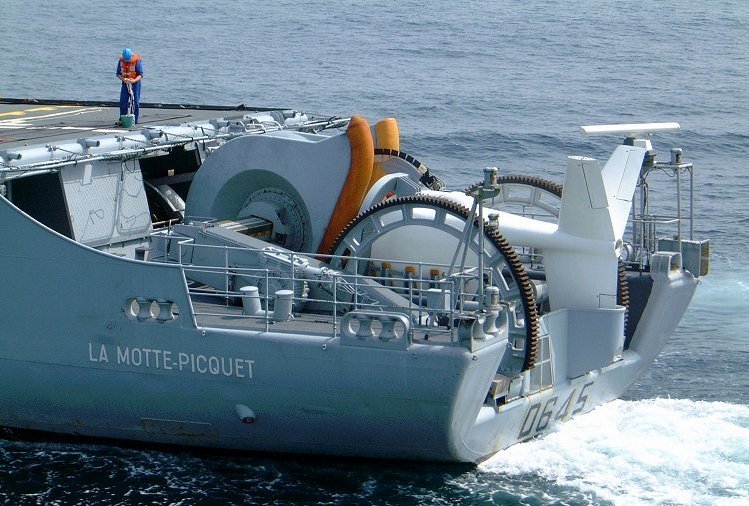
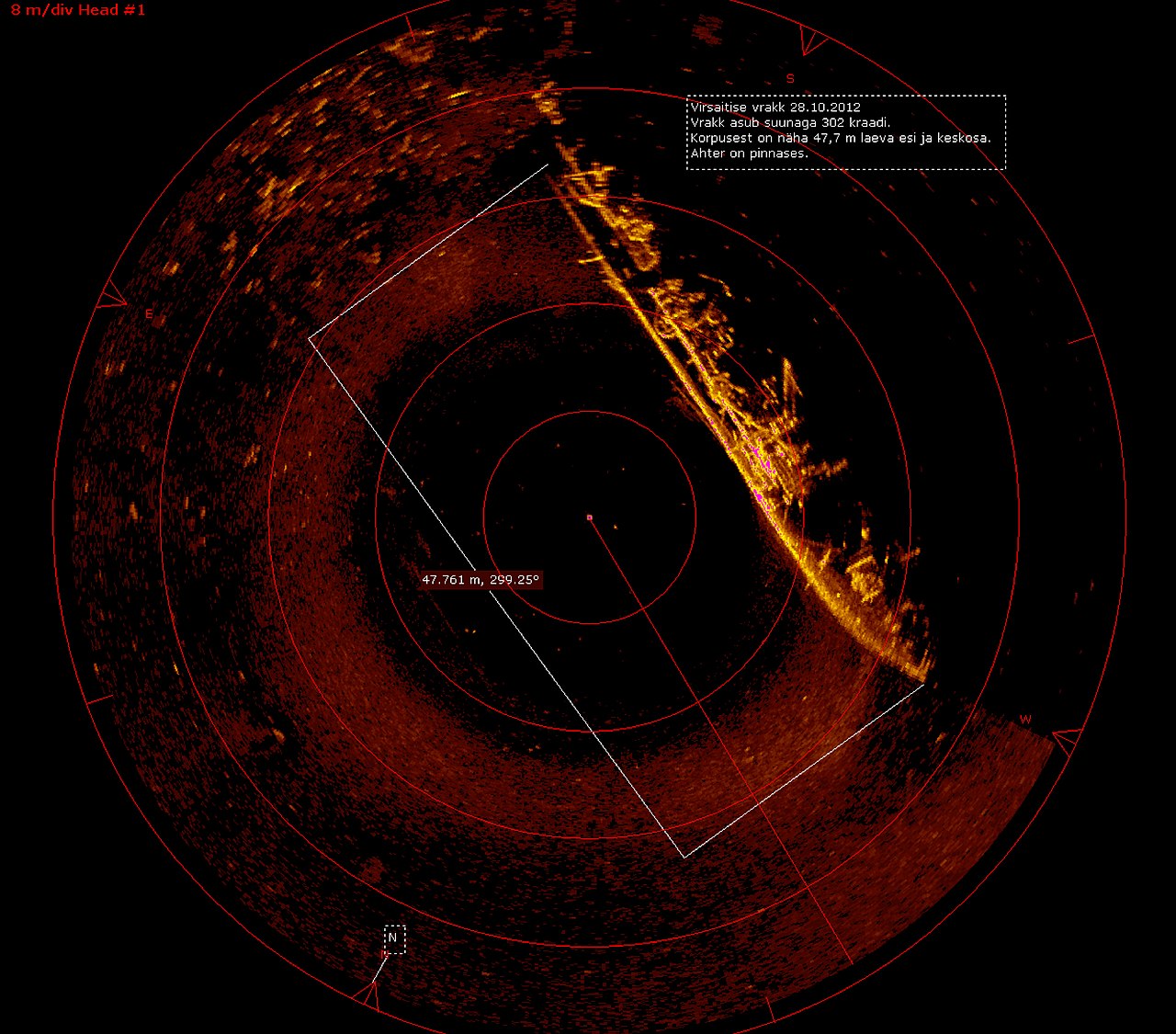
Sonar is like radar, but it uses sound waves instead of radio waves. It works underwater where radio waves do not travel well. Ships and submarines send out sound waves that bounce off objects and return. Sonar helps map the ocean floor, find fish, locate submarines, and even discover sunken ships.
How Sonar Works
There are two types of sonar. Active sonar sends out a pulse of sound and listens for the echo. By timing how long the echo takes to return, it calculates the distance to an object. Passive sonar just listens for sounds made by other things, like a submarine's engine. Passive sonar is silent, so it does not give away the listener's position.
Sonar in Nature and Technology
Many animals use their own natural sonar. Dolphins and whales make clicking sounds and listen for echoes to find food. Bats use echolocation to navigate in the dark. Scientists have copied these natural systems to create our technology. Sonar has been used to map the entire ocean floor and discover deep-sea mountains.
Fun Facts
- Sonar stands for Sound Navigation And Ranging.
- The Titanic wreckage was found in 1985 using sonar technology.
- Dolphins can use their sonar to detect a quarter-sized object from 75 yards away.
Did You Know?
Sonar was developed during World War I to detect enemy submarines. But now it is used for peaceful purposes too. Scientists use sonar to study the ocean floor and have discovered that the bottom of the ocean has mountains taller than Mount Everest and valleys deeper than the Grand Canyon!

You finished the article! Great job!