
Wikimedia Commons
The Beaufort Scale
The Beaufort Scale
The Beaufort Scale is a way to measure wind speed by looking at what the wind does to things around you. It goes from 0 to 12. Zero means the air is perfectly calm. Twelve means hurricane-force winds. You do not need any special tools to use it. Just look around you!
Low Numbers
On the Beaufort Scale, 0 means there is no wind at all. At 1, smoke drifts gently. At 3, leaves and small twigs move and flags flutter. By 5, small trees start to sway and waves form on ponds. You can feel a moderate wind on your face.
High Numbers
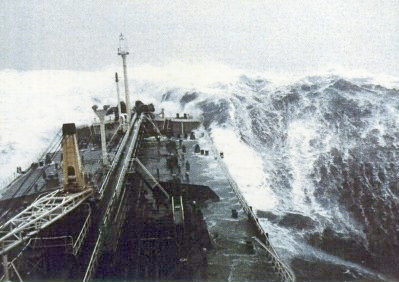
At 7, whole trees sway and it is hard to walk against the wind. At 9, branches can break off trees and roof tiles may blow off. At 10, trees are uprooted and buildings can be damaged. At 12, the winds are as strong as a hurricane and can cause terrible destruction.
Fun Facts
- The Beaufort Scale was created in 1805 by Sir Francis Beaufort, an officer in the British Royal Navy.
- The original scale was designed to describe wind effects on sailing ships.
- Some countries have extended the scale to 17 for super typhoons in the Pacific Ocean.
Did You Know?
You can estimate wind speed just by watching a flag. If the flag barely moves, the wind is about 4 miles per hour. If the flag is straight out and flapping, the wind is about 25 miles per hour!

You finished the article! Great job!