
Wikimedia Commons
Virtual Reality
Virtual Reality
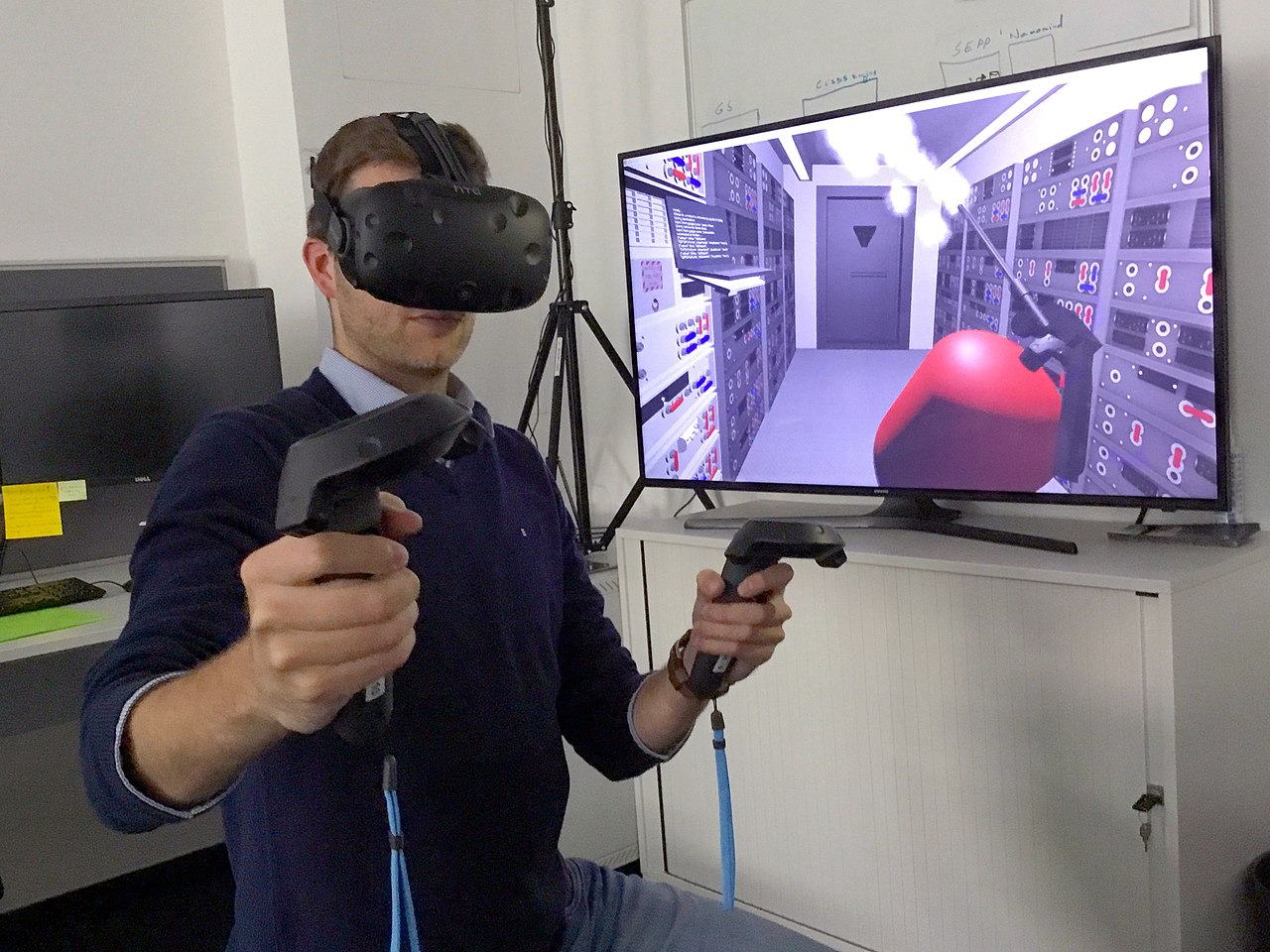
Virtual reality, or VR, puts you inside a computer-generated world. When you put on a VR headset, you can look around and feel like you are really in a different place. You might explore the surface of Mars, swim with dolphins, or walk through an ancient castle. VR tricks your brain into thinking the digital world is real.
How VR Works
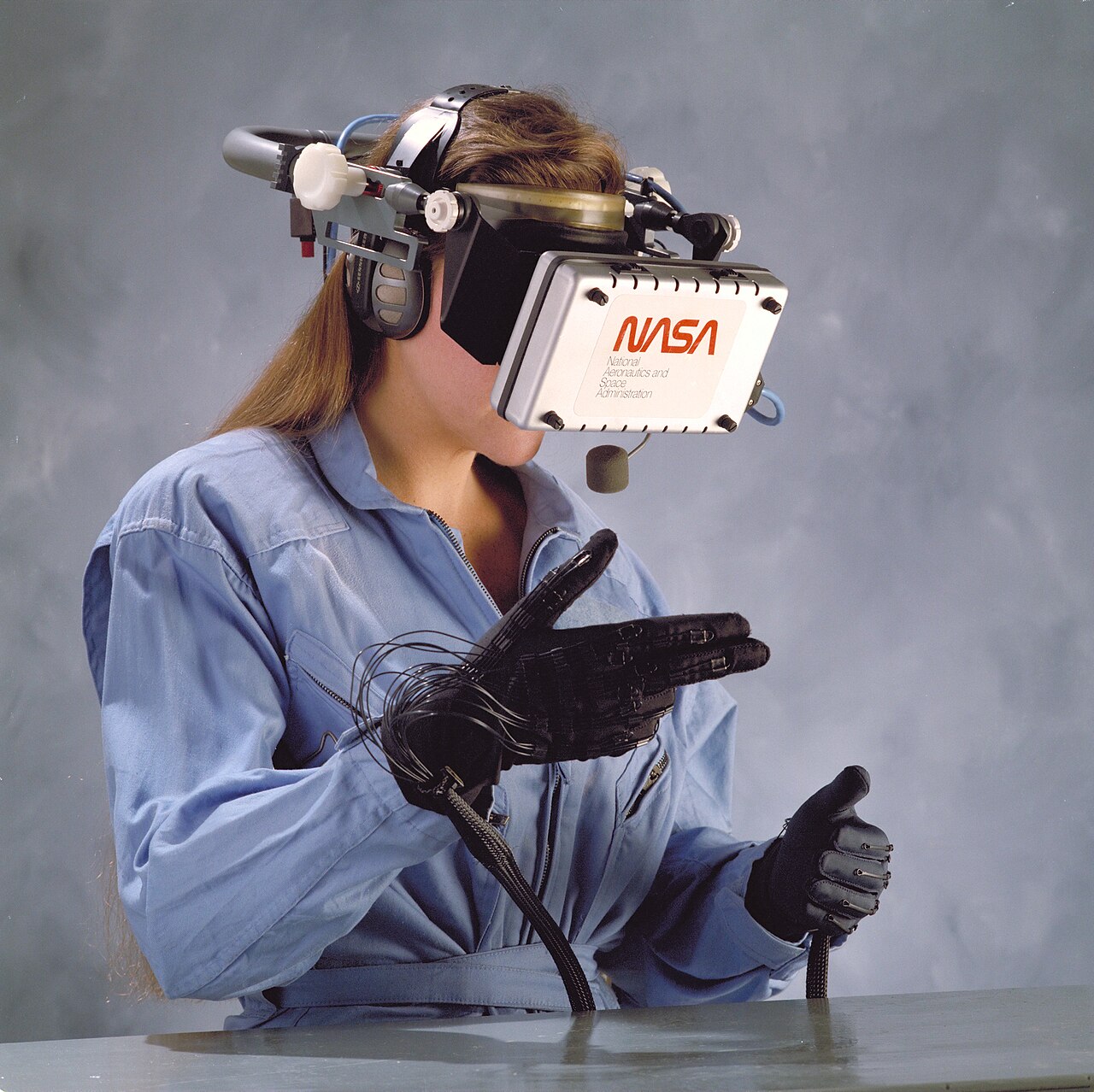
A VR headset has two small screens, one for each eye. The screens show slightly different images to create a 3D effect. Sensors track your head movements so when you turn your head, the view changes. Some VR systems include hand controllers that let you grab and interact with virtual objects.
Uses of Virtual Reality
VR is used for more than just games. Doctors practice surgeries in VR before operating on real patients. Pilots train in VR flight simulators. Students can take virtual field trips to museums, space, or the bottom of the ocean. VR is also used to help people overcome fears, like the fear of heights.
Fun Facts
- The first VR headset was built in 1968 and was so heavy it had to hang from the ceiling.
- Some VR experiences can make you feel dizzy because your eyes say you are moving but your body is not.
- Architects use VR to let people walk through buildings before they are actually built.
Did You Know?
VR is being used to help endangered animals. Scientists create virtual environments to study how animals behave. They also use VR to train animals born in captivity before releasing them into the wild. Some zoos even offer VR experiences so visitors can see animals in their natural habitats!

You finished the article! Great job!