
Wikimedia Commons
Warm-Blooded vs. Cold-Blooded
Warm-Blooded vs. Cold-Blooded
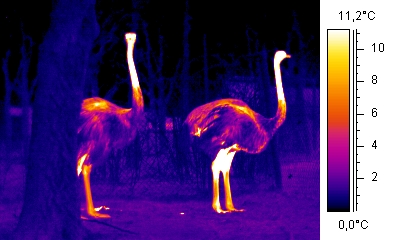
Animals control their body temperature in different ways. Warm-blooded animals make their own body heat and keep a steady temperature. Cold-blooded animals get their heat from the environment around them. Both ways of staying warm have advantages.
Warm-Blooded Animals
Mammals and birds are warm-blooded. Their bodies work like a furnace, making heat from the food they eat. They keep the same body temperature whether it is hot or cold outside. This means they can be active in cold weather. But they need to eat a lot of food to keep their bodies warm.
Cold-Blooded Animals
Reptiles, amphibians, fish, and insects are cold-blooded. Their body temperature changes with the temperature around them. On cool days, they bask in the sun to warm up. On hot days, they find shade to cool down. Cold-blooded animals need less food because they do not use energy to make body heat.
Fun Facts
- A hummingbird eats about half its body weight in food every day to stay warm.
- Lizards bask on rocks in the morning sun because they need outside heat to get their muscles working.
- The leatherback sea turtle is one of the few reptiles that can keep its body warmer than the water around it.
Did You Know?
Some scientists prefer the terms endotherm and ectotherm instead of warm-blooded and cold-blooded. A cold-blooded lizard in the desert can actually have warmer blood than a mammal!

You finished the article! Great job!