

Wikimedia Commons
X-rays
X-rays
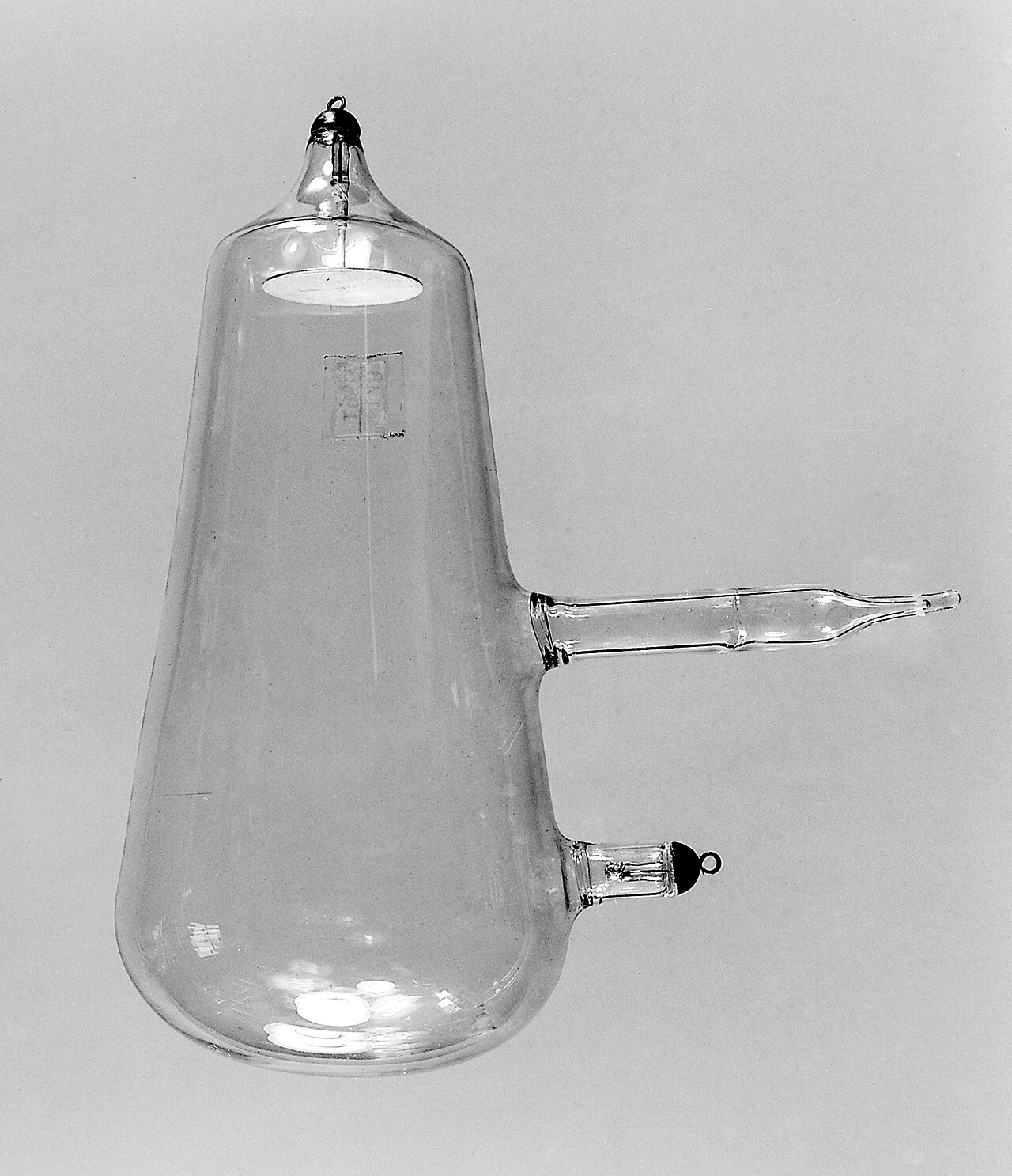
X-rays are a type of invisible light that can pass through your skin and muscles but not through your bones. That is why doctors use X-rays to see your bones without cutting you open. X-rays were discovered by accident in 1895 and quickly became one of the most important tools in medicine.
How X-rays Work
An X-ray machine sends X-ray beams through your body. Soft tissues like skin and muscle let most X-rays pass through. Bones and teeth are denser, so they block X-rays. A sensor on the other side records which X-rays got through and which were blocked. This creates a picture showing your bones as white and soft tissue as dark.
Uses of X-rays
Doctors use X-rays to check for broken bones, cavities in teeth, and problems in the lungs. Airport security uses X-rays to see inside luggage. Scientists use X-rays to study the structure of crystals and molecules. X-rays from space help astronomers study black holes and exploding stars.
Fun Facts
- Wilhelm Roentgen discovered X-rays by accident in 1895. He won the first Nobel Prize in Physics for this discovery.
- The first X-ray picture ever taken was of Roentgen's wife's hand. You can see her bones and her ring.
- Airport X-ray machines use much weaker X-rays than medical machines.
Did You Know?
Some animals can see types of light that humans cannot, but no animal can naturally see X-rays. However, mantis shrimp can see ultraviolet light, which is close to X-rays on the electromagnetic spectrum. They have the most complex eyes of any animal, with 16 types of light-detecting cells compared to our three!

You finished the article! Great job!